1934 — The Mysore Muzrai Manual
Religious endowments, inam lands, hereditary offices and the administrative framework of Mysore State.
Why the manual matters
The Muzrai Department supervised aspects of religious and charitable institutions in Mysore State. This revised manual gathers regulations, administrative directions, accounting procedures and guidance on endowments, grants and land records. It helps readers understand the official procedures against which institution-specific correspondence and orders can be compared.
Key sections in the source
1. The revised manual and its preface
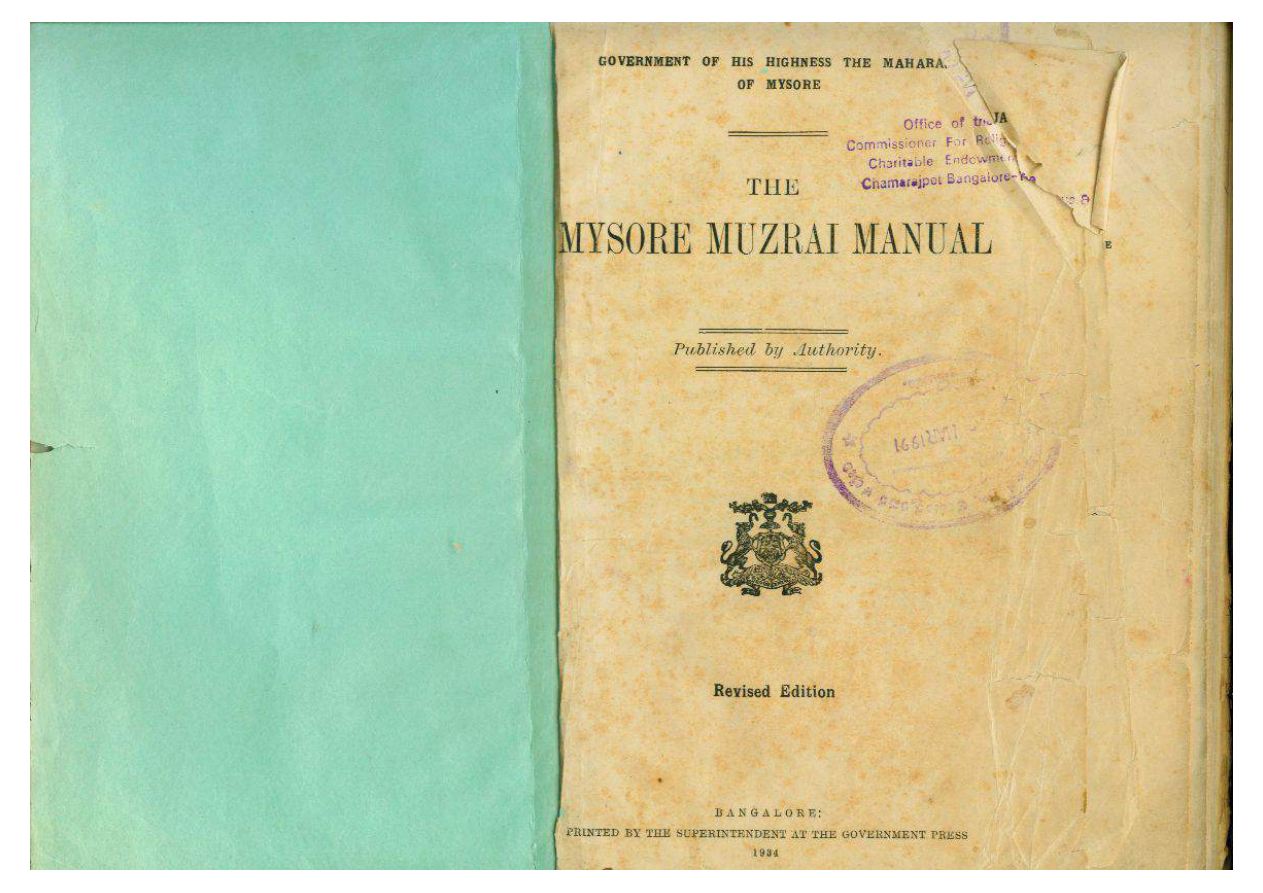
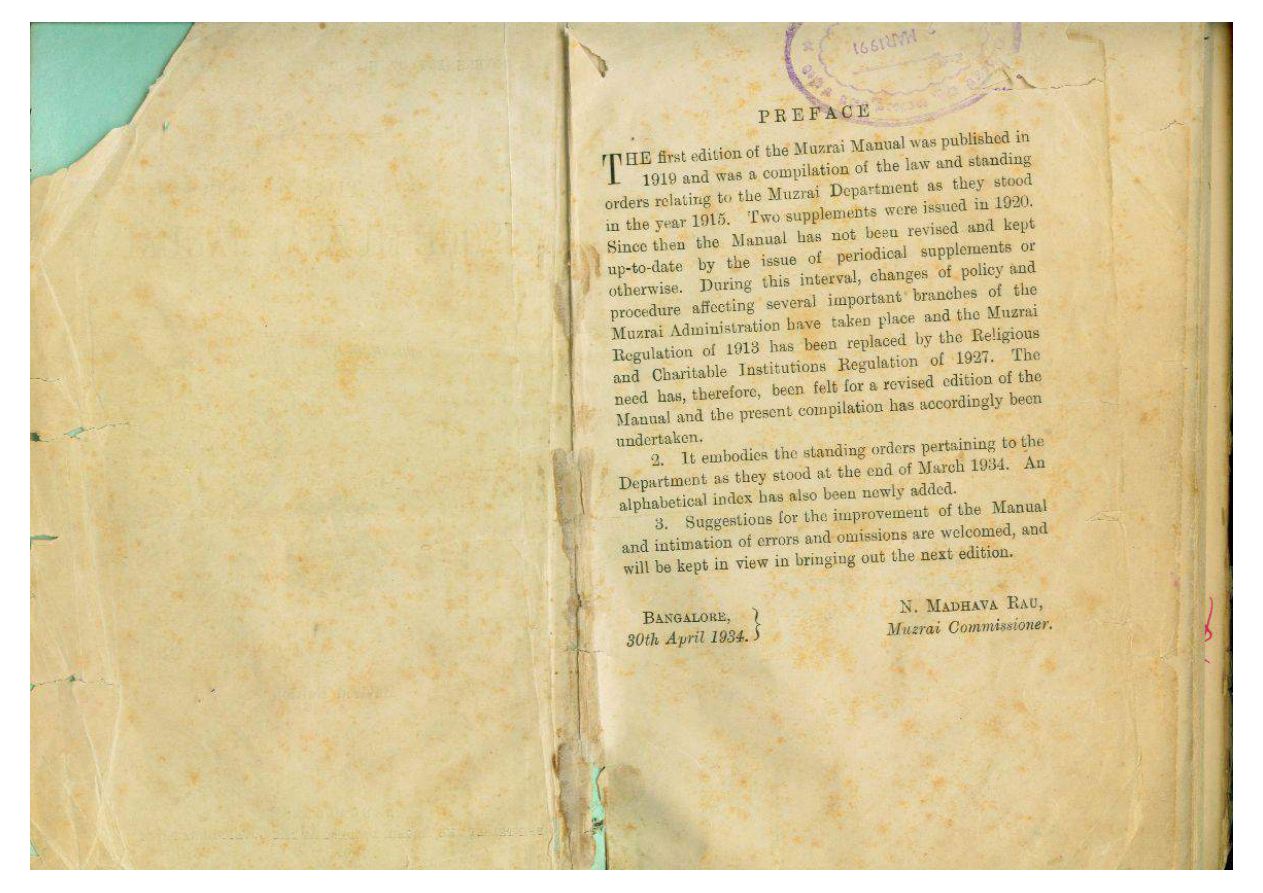
The title and preface establish the identity and context of the revised manual. The preface is dated 30 April 1934 and refers to earlier editions and changes in administrative practice.
2. The Mysore Muzrai Regulation of 1913
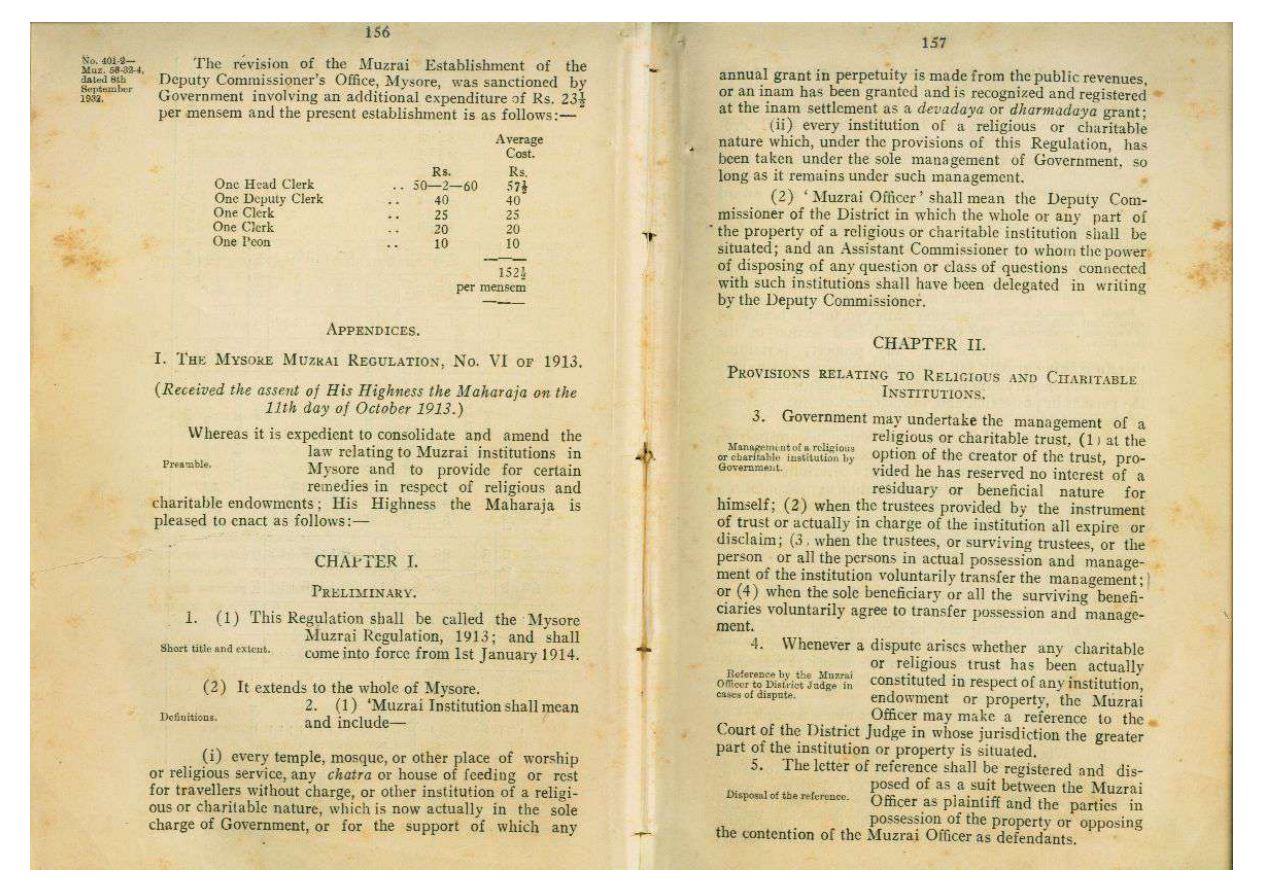
The manual reproduces provisions governing the administration of religious and charitable institutions. These distinguish the institution, its property, and the powers exercised by managers or government officers.
3. Defunct institutions, endowments and inam records
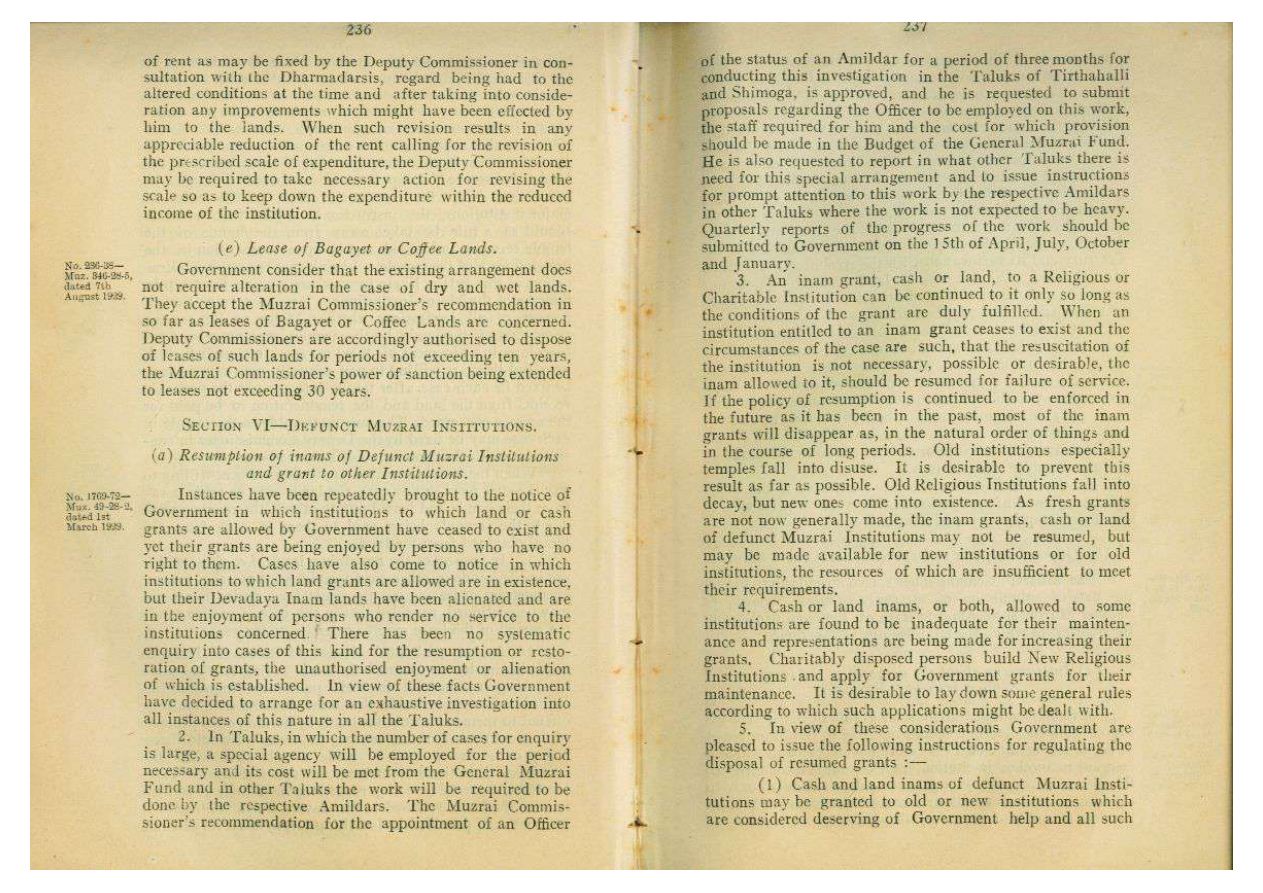
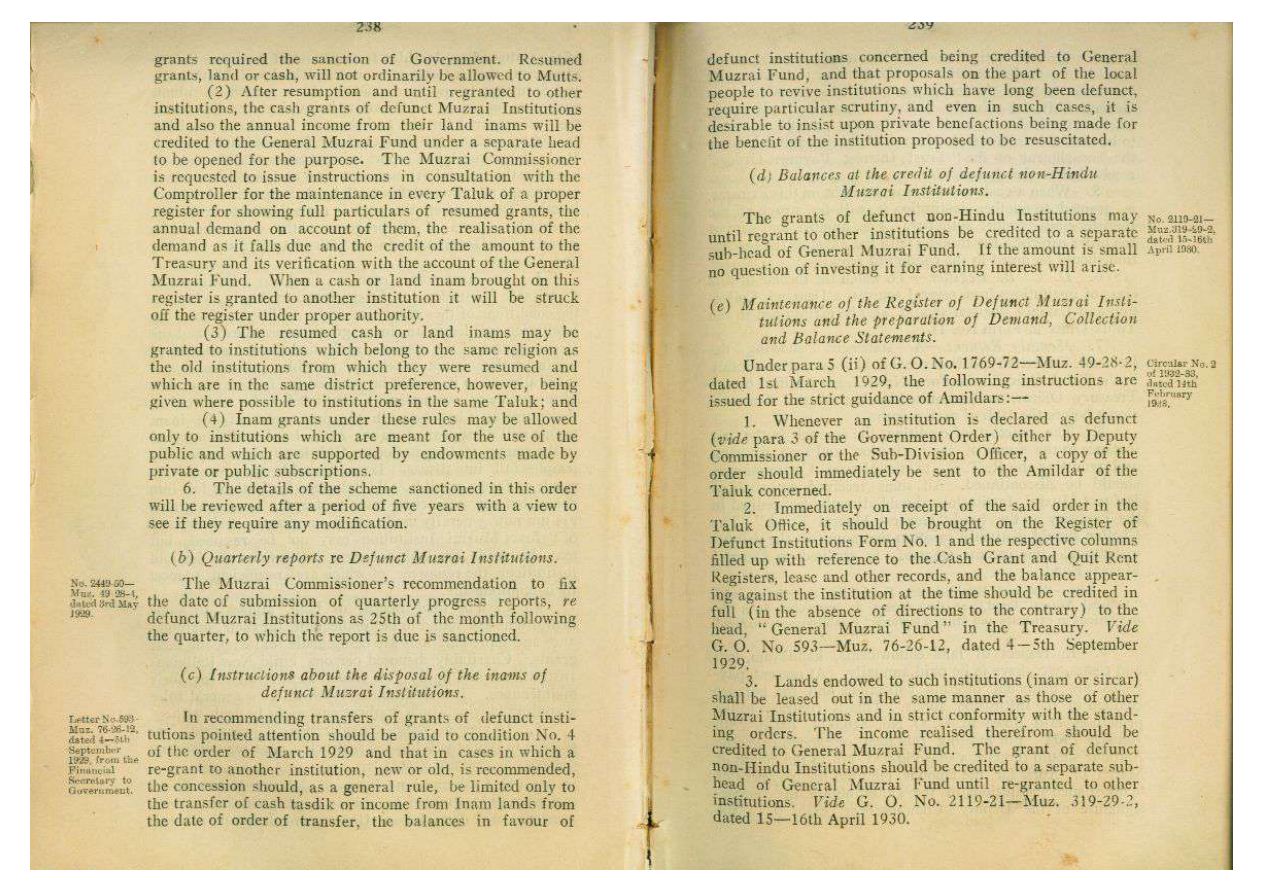
The manual addresses the treatment of grants connected with defunct Muzrai institutions, procedures for inquiry, and maintenance of registers and accounts for lands and endowments. These provisions must be read with their precise conditions and any applicable institution-specific proceedings.
4. Inam villages and financial supervision
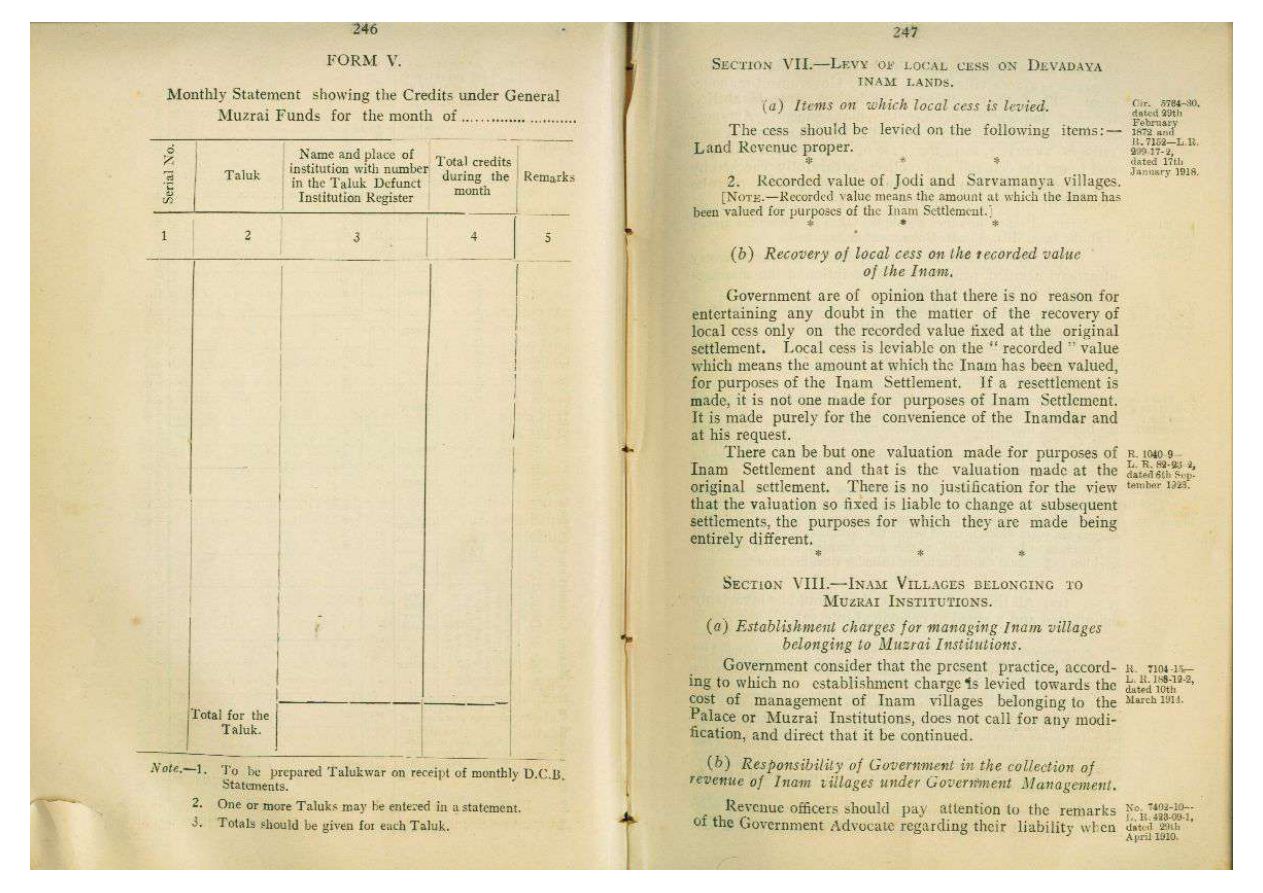
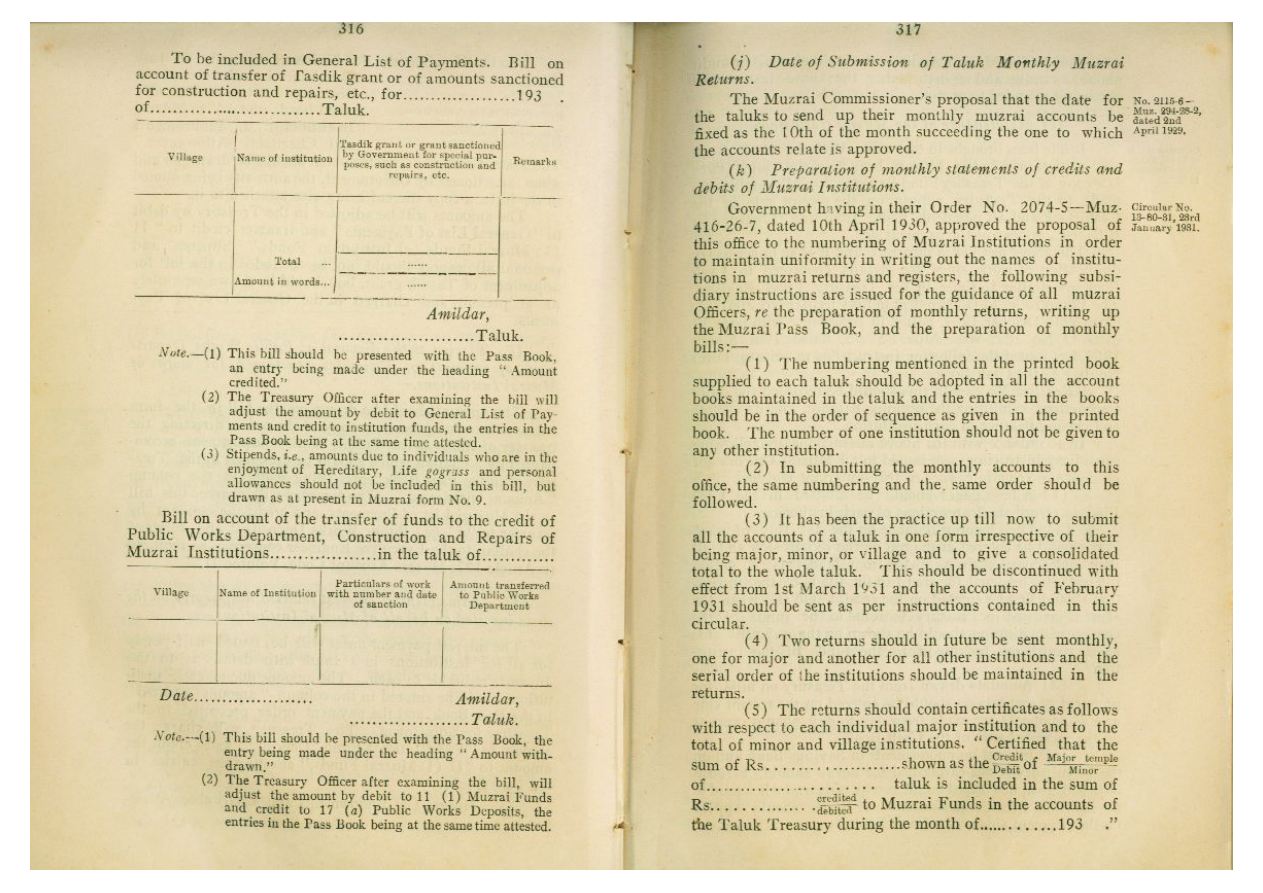
Other sections address administration of inam villages, cash books, monthly returns, and the reporting responsibilities of officials and institution managers.
5. Muslim religious institutions and historic monuments
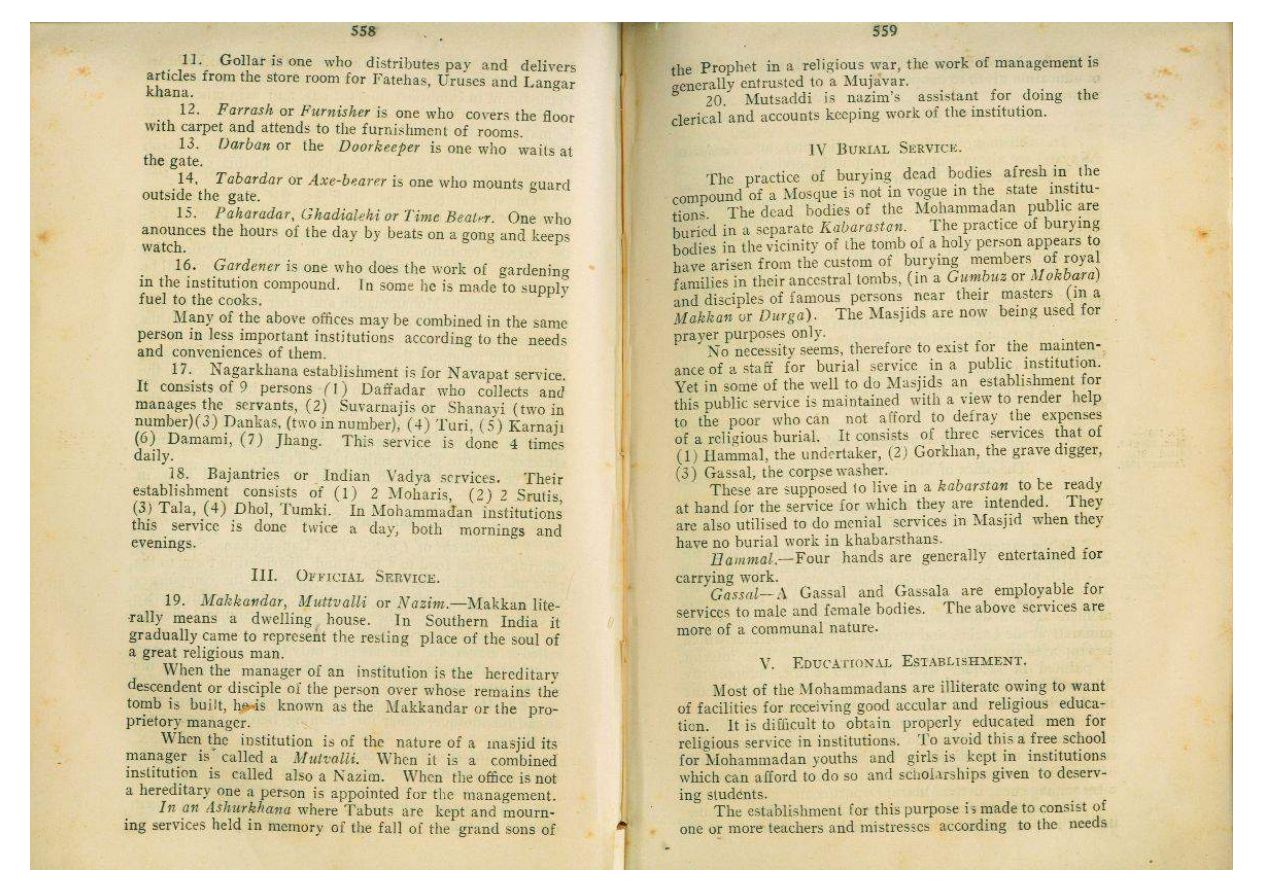
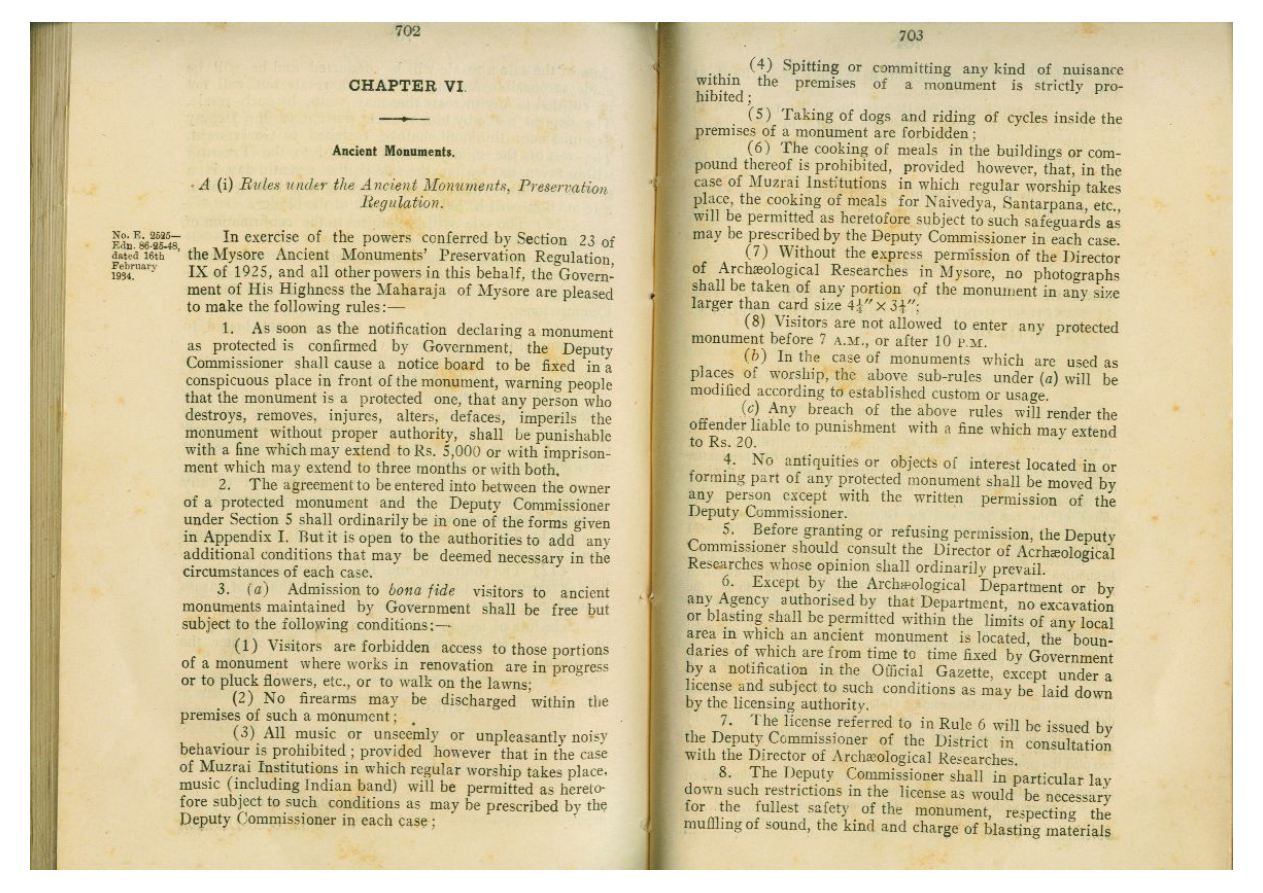
Separate chapters discuss Muslim institutions and rules concerning ancient monuments. Their inclusion illustrates the breadth of subjects covered by the manual; it does not automatically establish the legal classification of any particular Baba Budan site.
Selected original facsimiles
The following nine images were selected from the uploaded scanned sections. The source PDF section number and page position are supplied for reproducibility. Select any image to open its original facsimile in the Baba Budan Archives Media Library.
How to interpret this evidence
Regulations, manuals and general administrative directions provide context. To determine what actually happened at the Baba Budan institution, they must be compared with dated government orders, succession proceedings, original grant records, survey entries and related archival material. Recognition of a manager is not, by itself, proof of private title to institutional property.
Editorial status: Source-based interpretive draft. This selection does not assert that a direct Baba Budan name entry has been located in the manual. The supplied scans are facsimiles of historical text, and spellings and terminology should be checked against the originals before quotation.