1955 — The Mysore (Religious and Charitable) Inams Abolition Act
A statutory turning point in the history of religious and charitable inam tenure: legal vesting, protection of qualifying occupancy rights, and compensation arrangements.
The Act and its scope
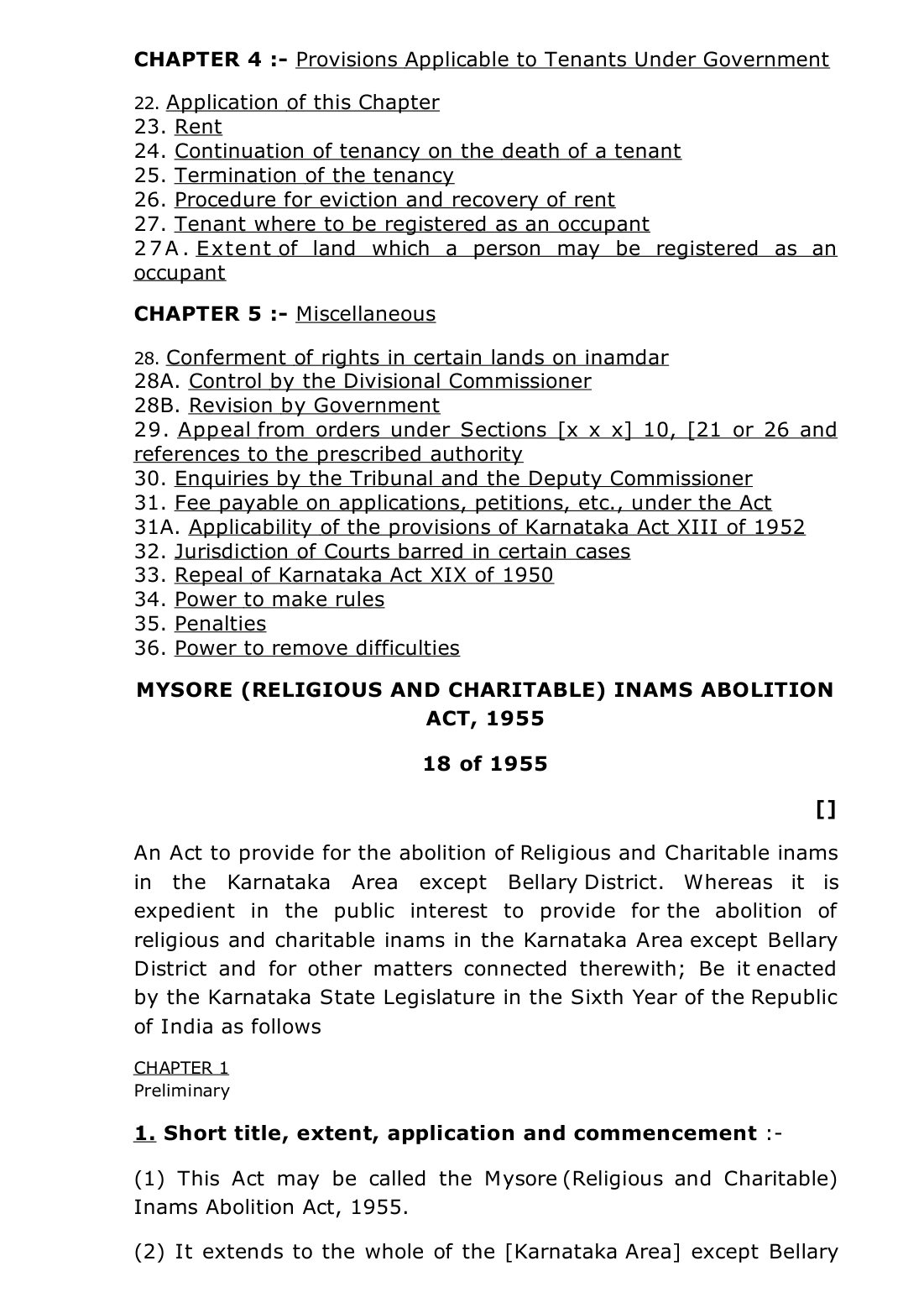
The Mysore (Religious and Charitable) Inams Abolition Act, 1955 created a legal framework for the abolition of specified religious and charitable inam tenures. It concerned rights in inam lands; it did not, by its own terms, abolish the religious institutions associated with them.
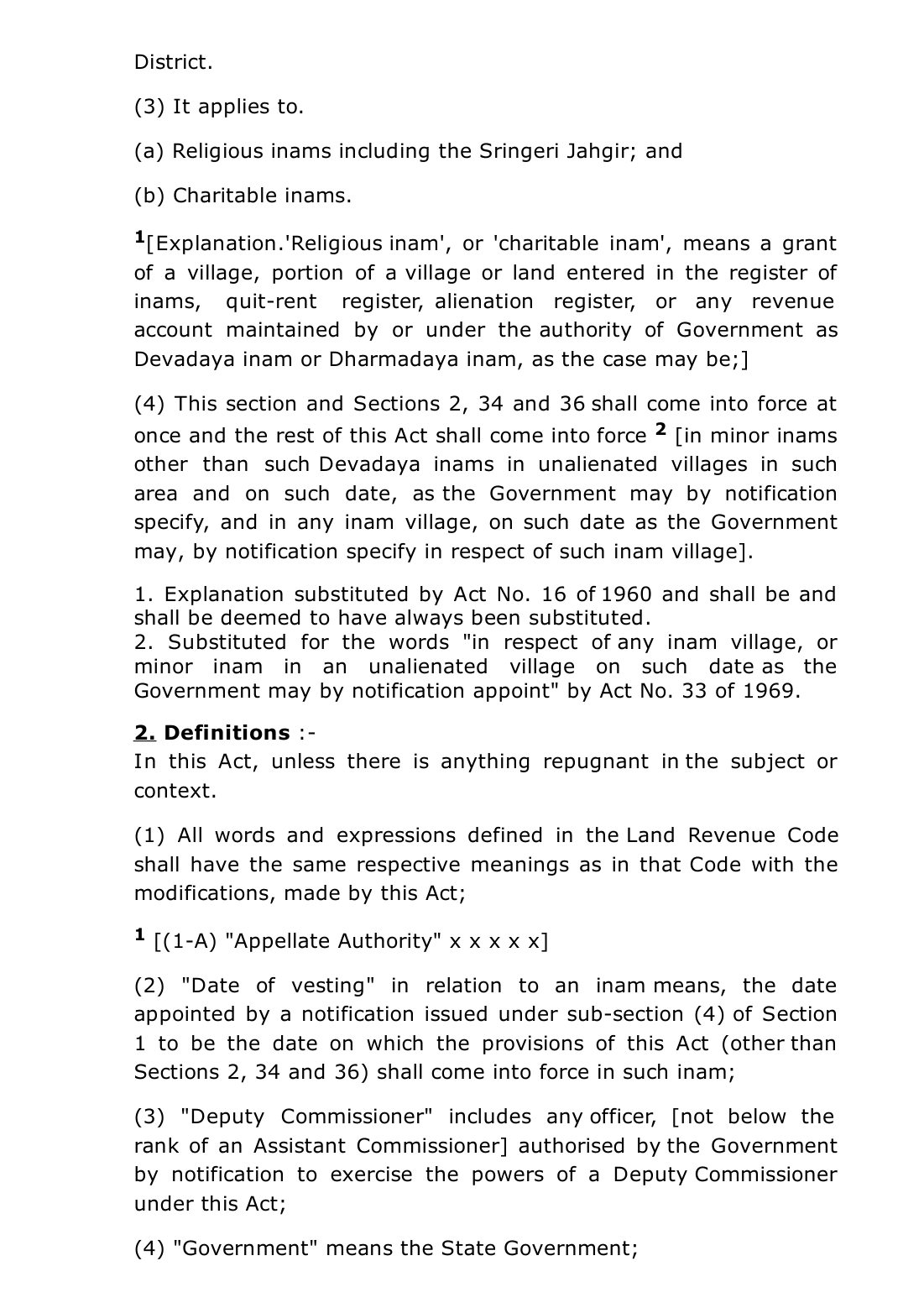
Commencement mattered. Section 1(4) provided for commencement of the operative provisions by Government notification in relation to relevant inams. Section 2 defined the “date of vesting” by reference to that notification. The year 1955 is therefore the year of enactment, not automatically the date of vesting for each Baba Budan landholding.
Legal vesting is not the same as physical possession
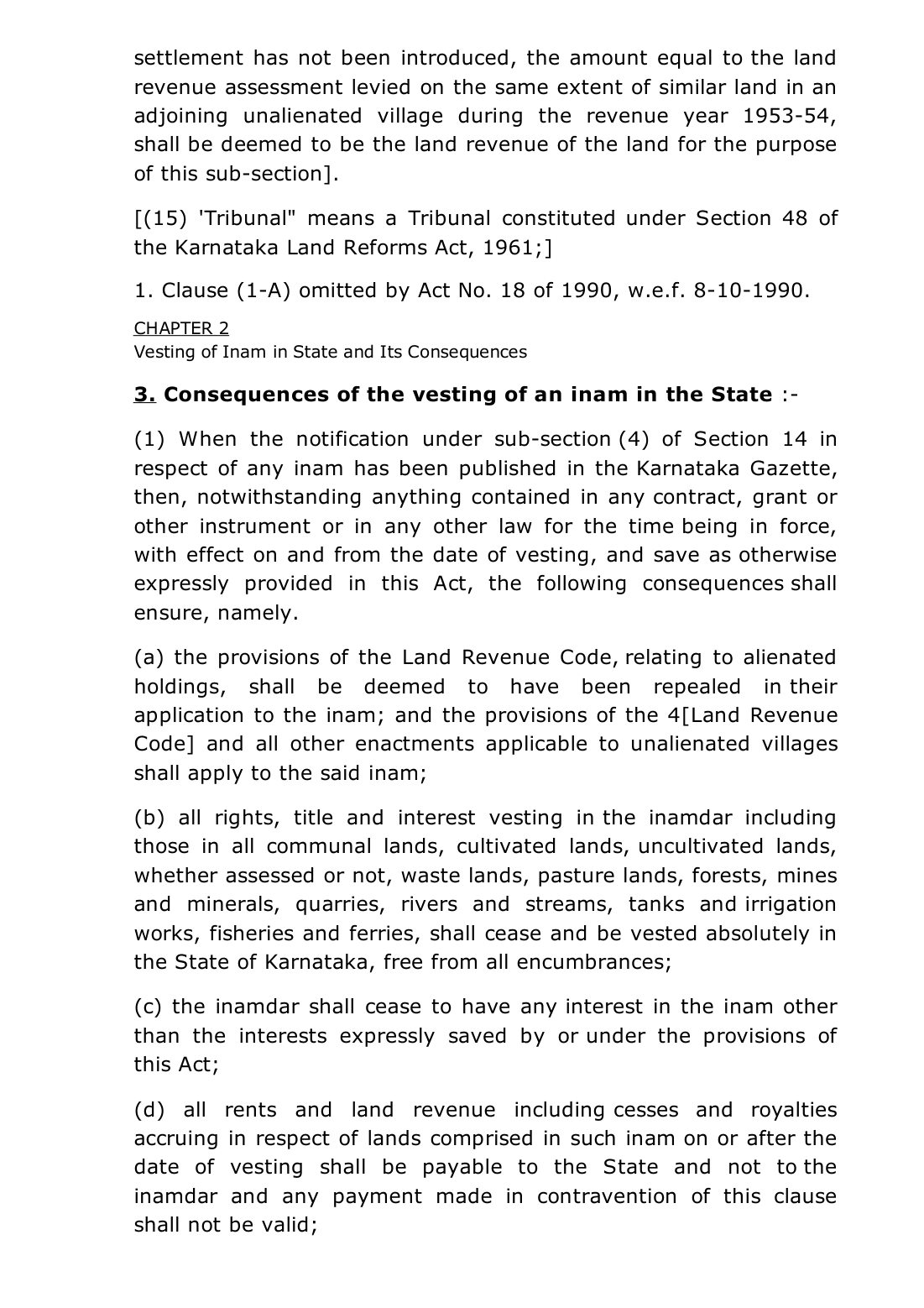
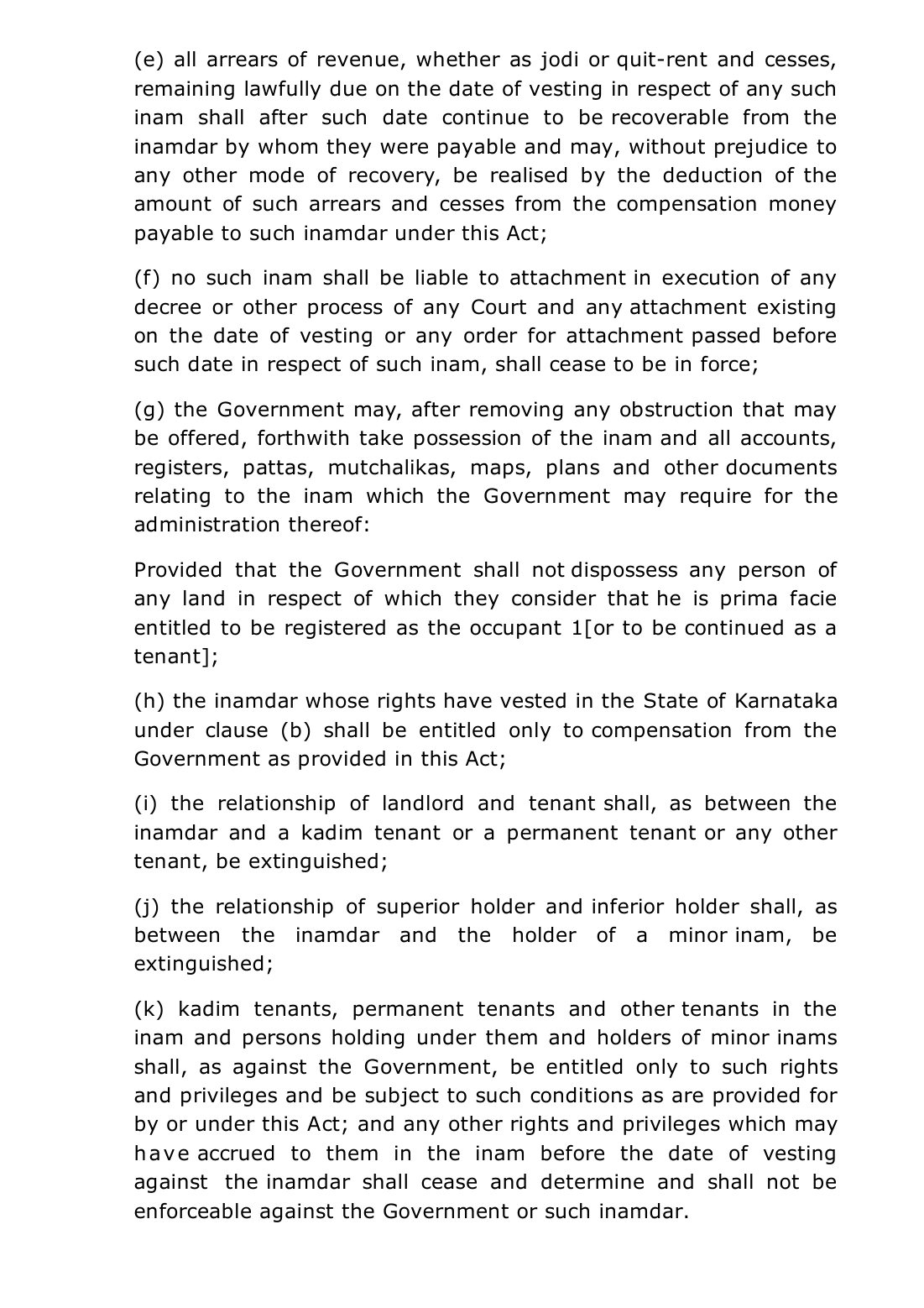
Section 3 described the legal consequences that followed vesting of an inam in the State. Subject to rights expressly saved under the Act, the inamdar’s specified rights and interests ceased and vested in the State from the applicable date. This was a substantive legal change and should not be described as a merely administrative renaming.
But legal vesting and actual physical possession must not be conflated. Section 3(1)(g) contemplated Government taking possession and documents relating to an inam, while providing that persons considered prima facie entitled to registration as occupants or continuation as tenants should not be dispossessed on that basis. Whether Government actually took possession of any particular parcel is a matter for the corresponding proceedings and land records.
Occupancy, tenancy and revenue records
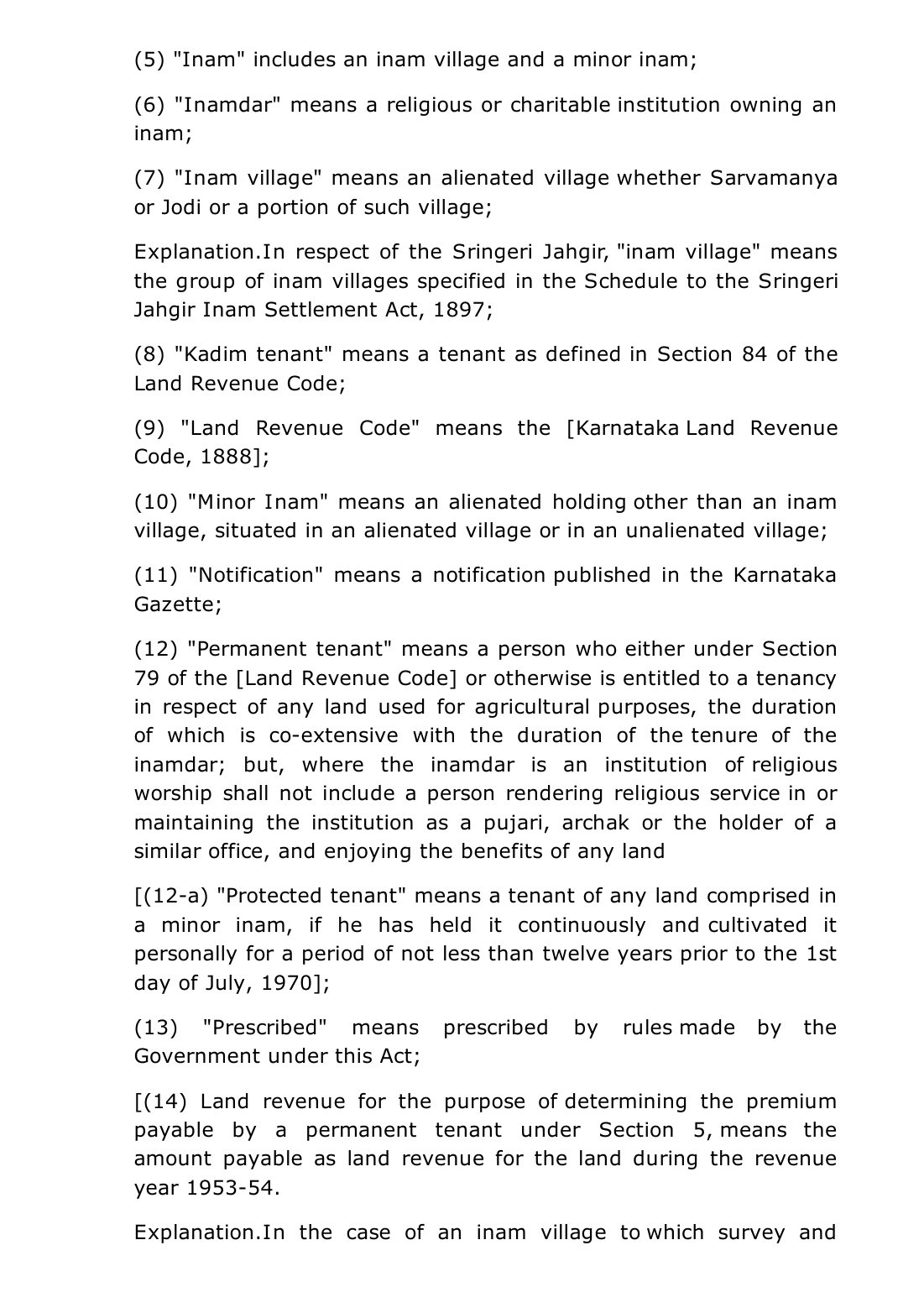
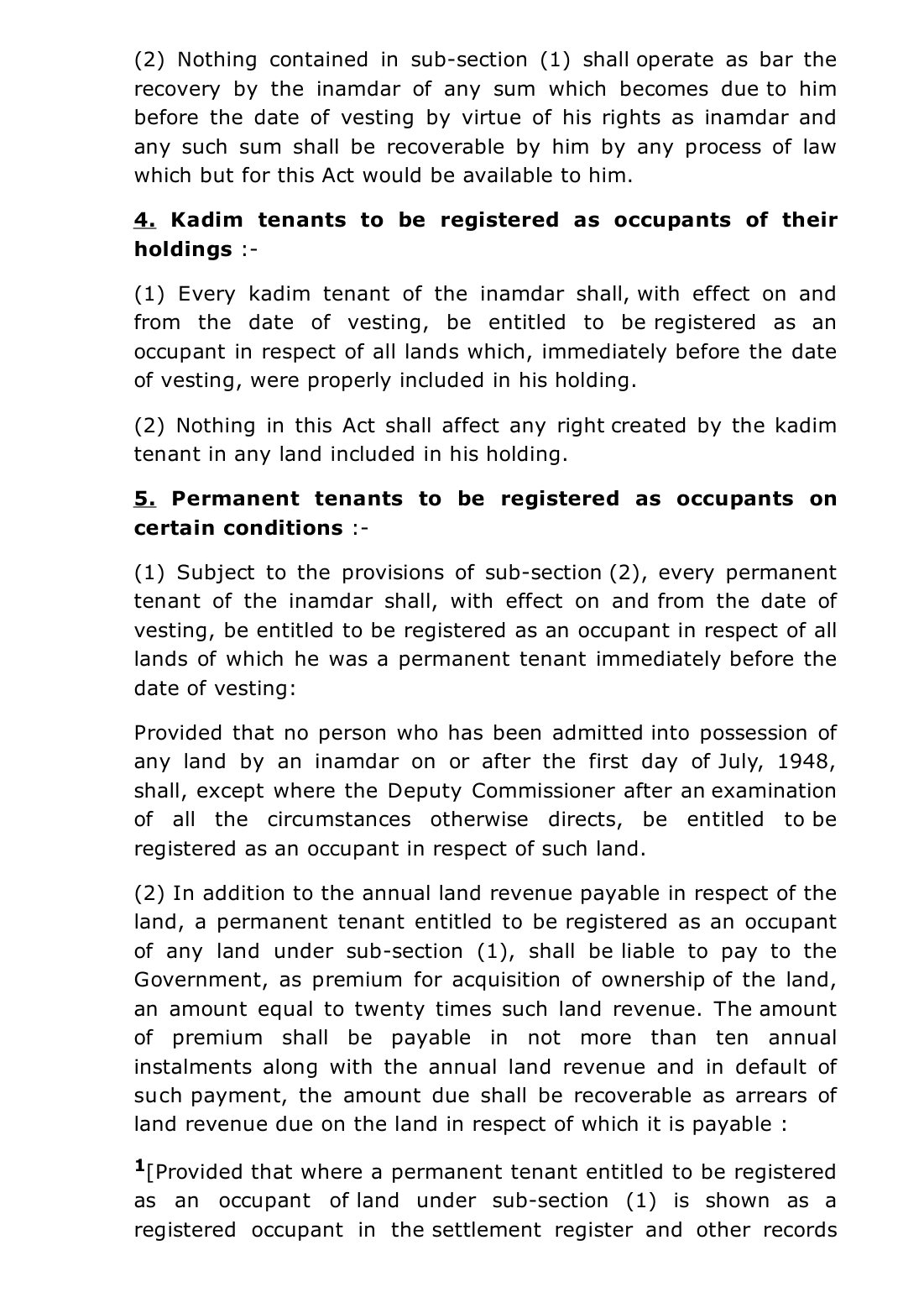
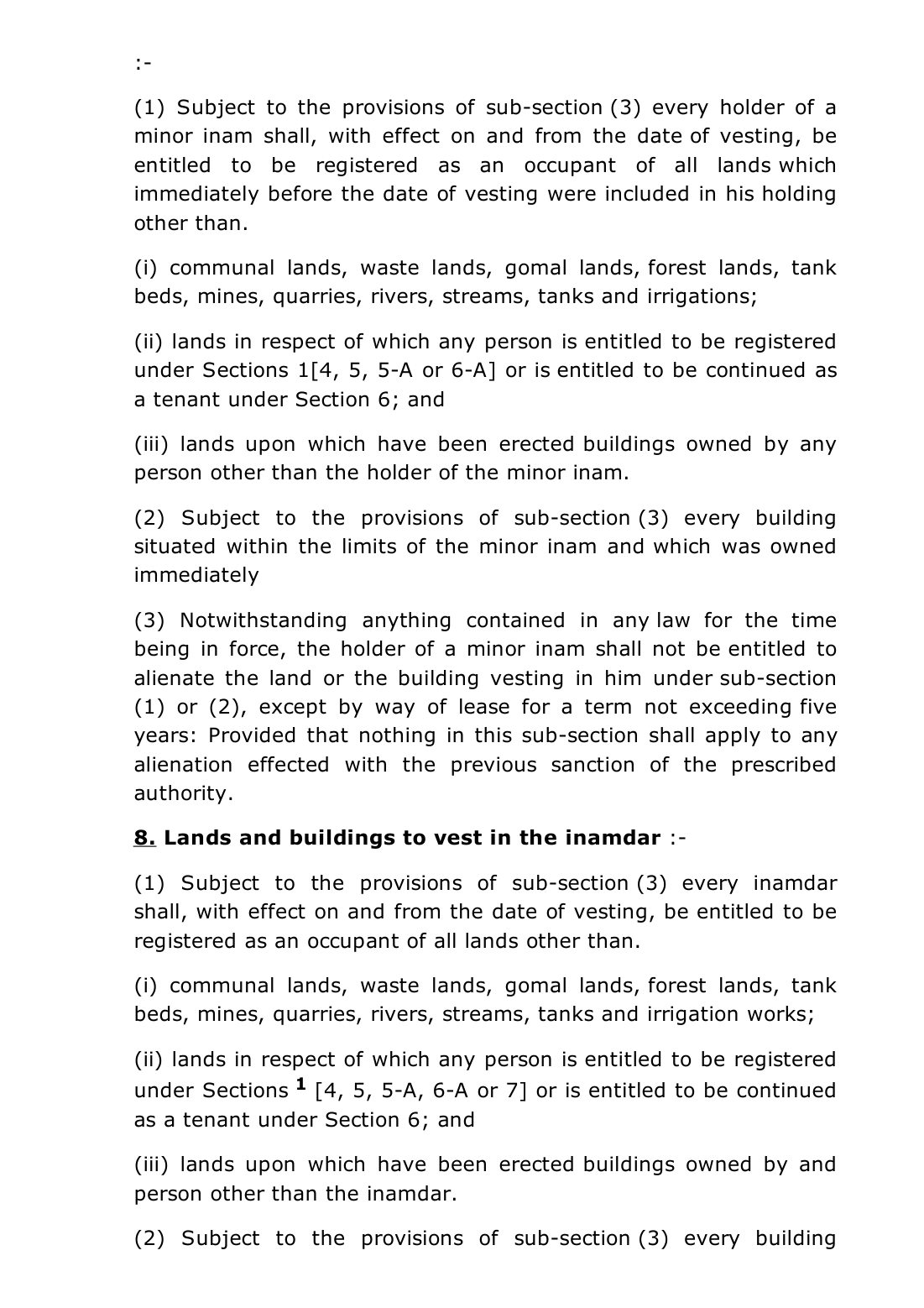
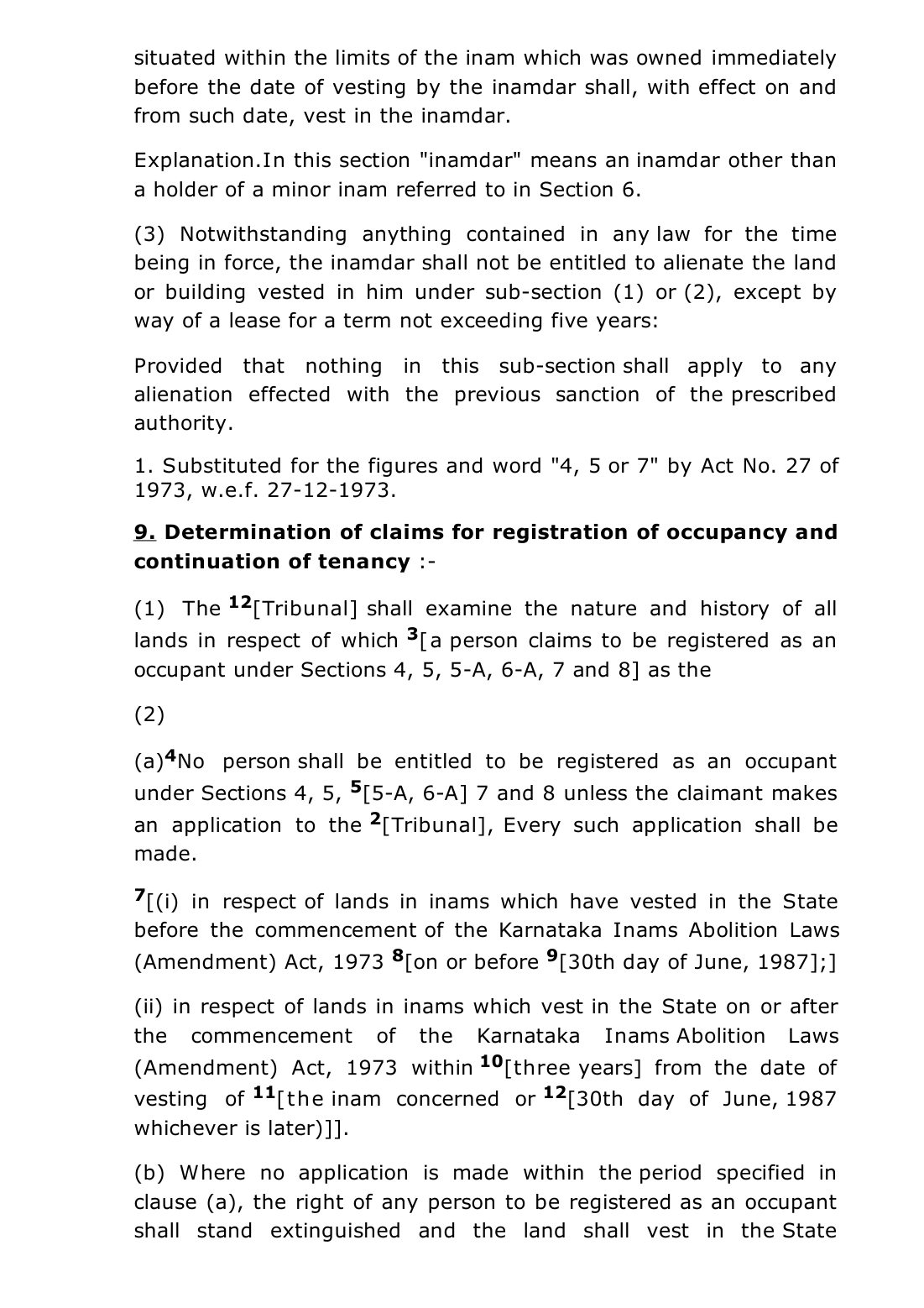
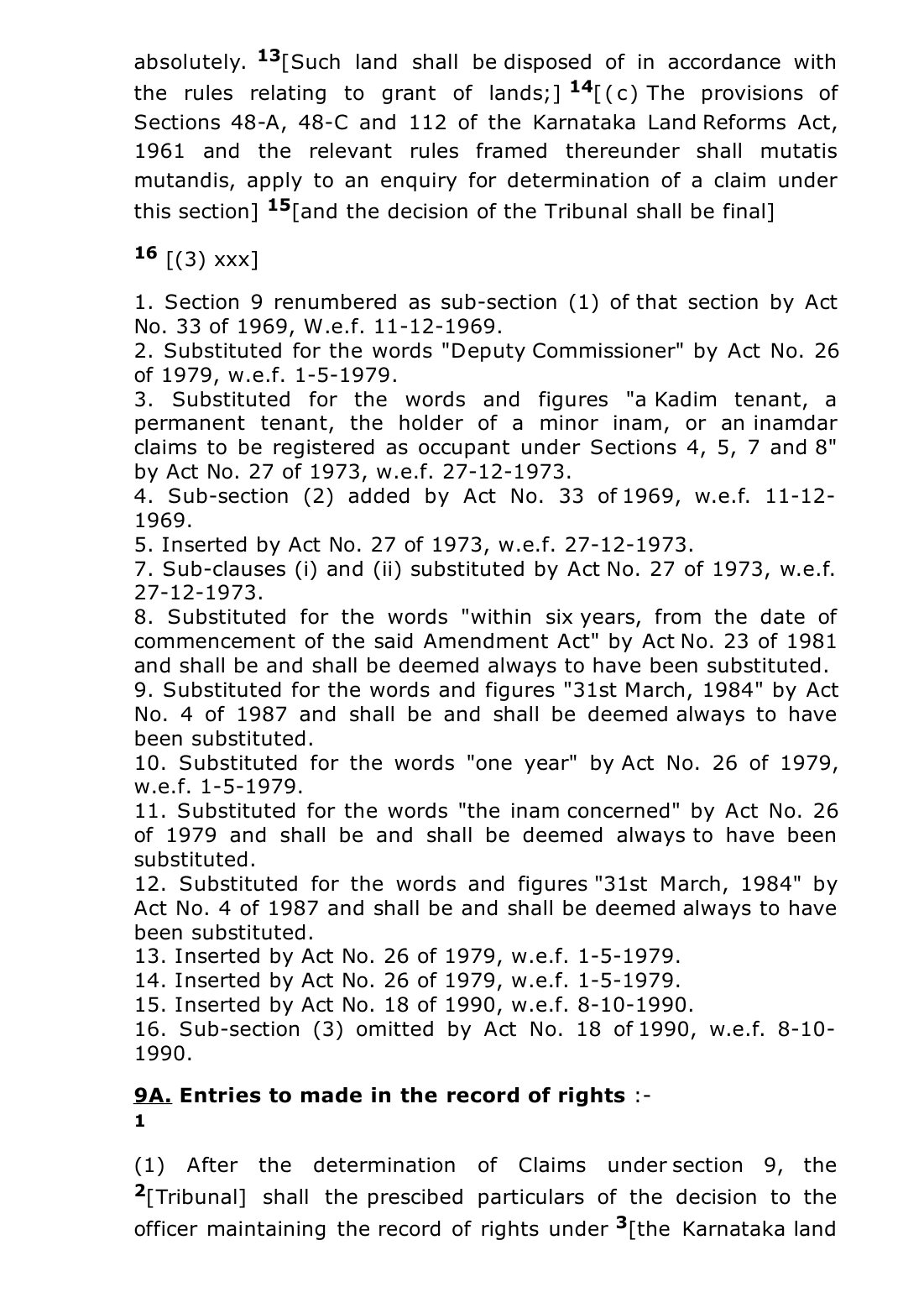
The statutory framework differentiated among categories of tenants, occupants, holders of minor inams and the inamdar. Sections 4–8 provided distinct routes for recognition or continuation of certain rights, subject to applicable conditions and exclusions. Sections 9 and 9A dealt with the adjudication of occupancy claims and the recording of decisions in land records.
Consequently, the legal outcome for an individual landholding cannot be inferred from the word “abolition” alone. The relevant notification, claimant status, competent authority’s decision and subsequent Record of Rights or mutation entries must be considered together.
Compensation and Tasdik allowance
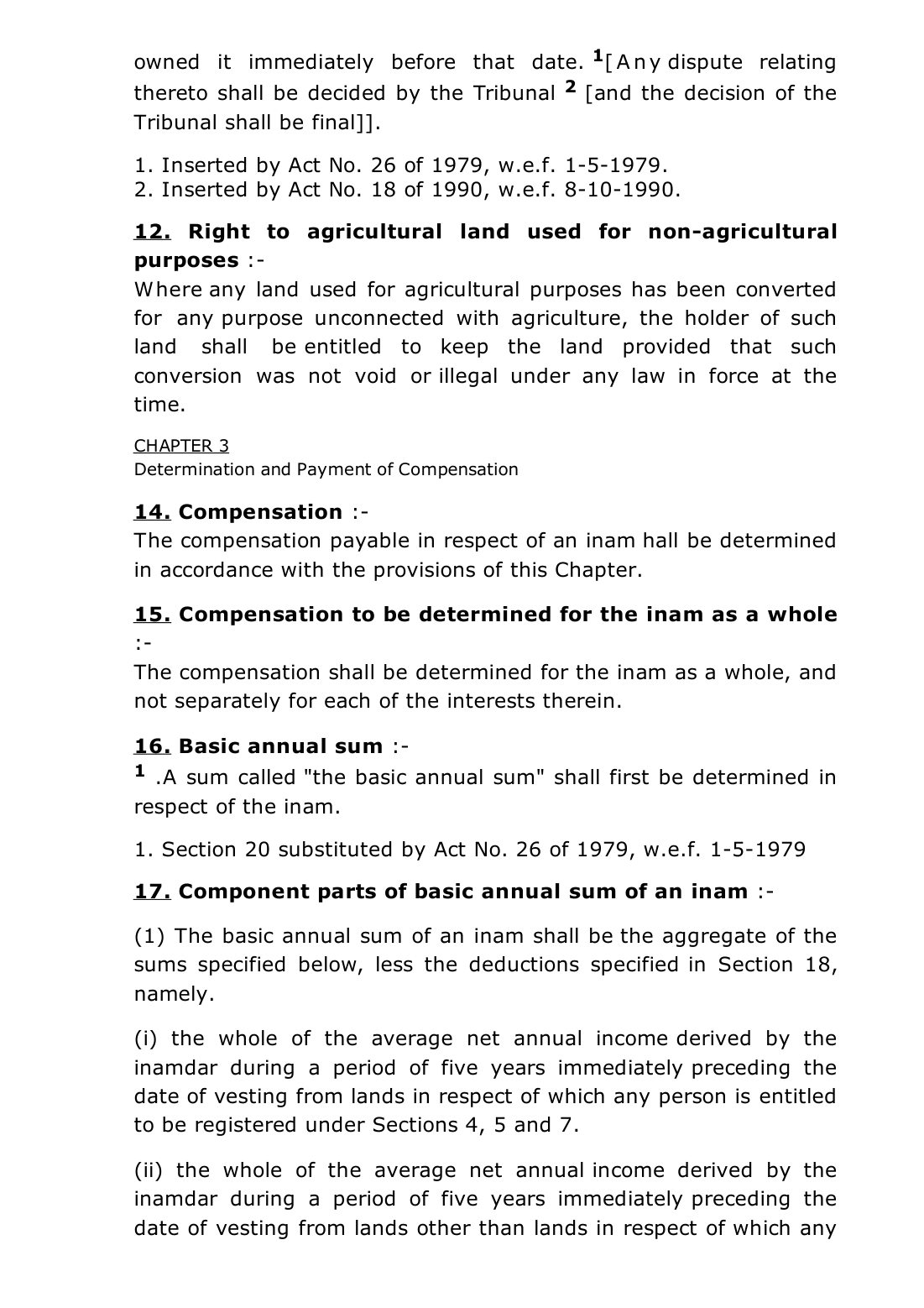
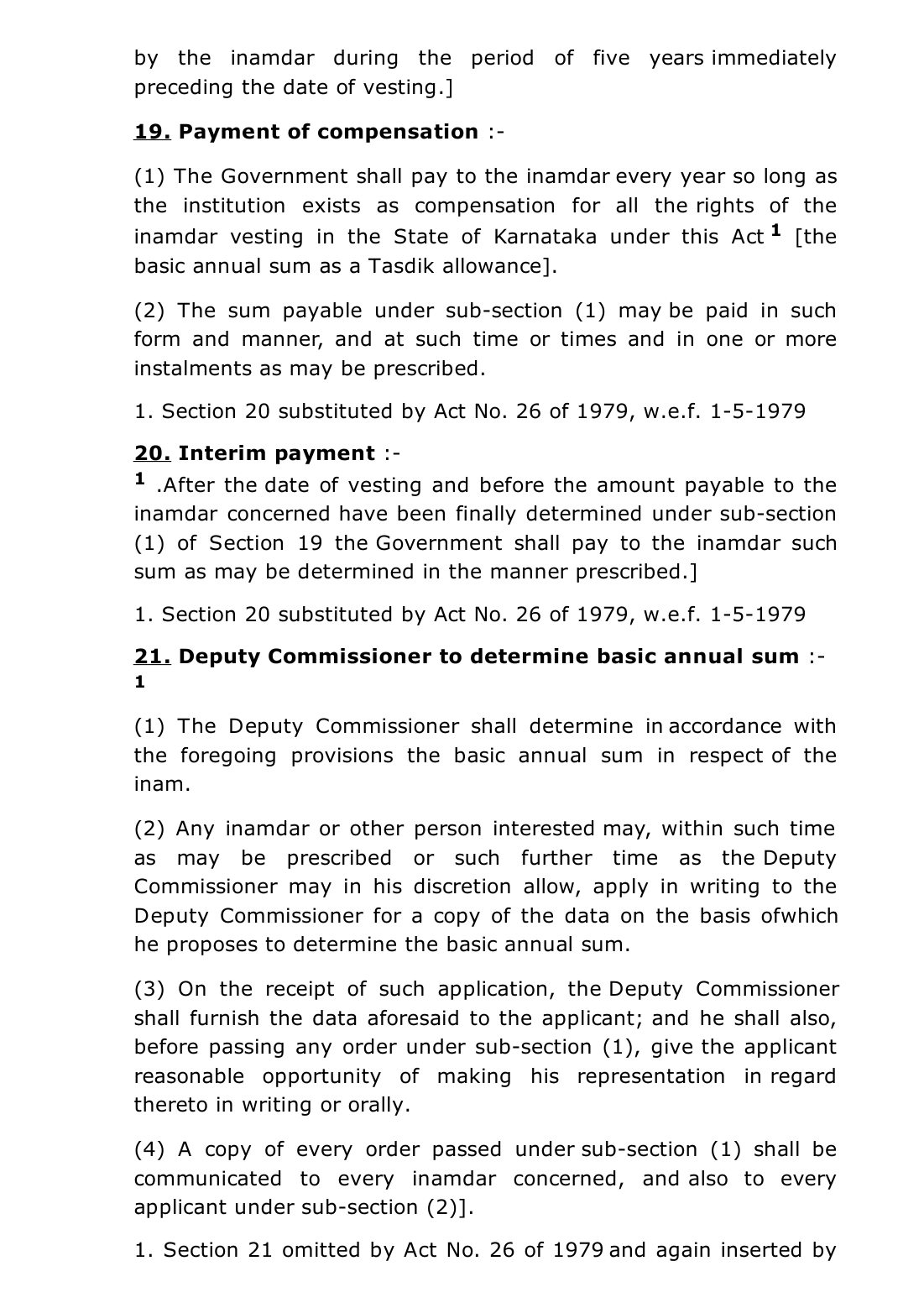
Chapter III set out compensation arrangements associated with vesting. The exhibited consolidated text includes a provision for payment of the basic annual sum as a Tasdik allowance under Section 19. The wording reproduced in this PDF reflects later legislative amendments; it must not be represented as a verbatim quotation from the statute in its original 1955 form.
Historical Tasdik payments made under earlier Mysore administrative arrangements should likewise not automatically be equated with compensation calculated under the post-abolition statute. Their dates, legal basis and orders must be identified separately.
What this proves for Baba Budan Dargah
This statute supplies the legislative framework for interpreting the later transition of religious and charitable inam tenure. It does not name or schedule the individual Baba Budan properties in the pages exhibited here, nor does it establish a specific vesting date, a parcel-by-parcel outcome, or the physical possession history of those properties.
Later official and judicial accounts refer to the application of the inams abolition regime to lands associated with the institution. Those later accounts should be presented as evidence of what they report, while the underlying notifications, occupancy orders, Tasdik calculations and revenue changes remain separate archival targets.
Selected pages from the statutory compilation
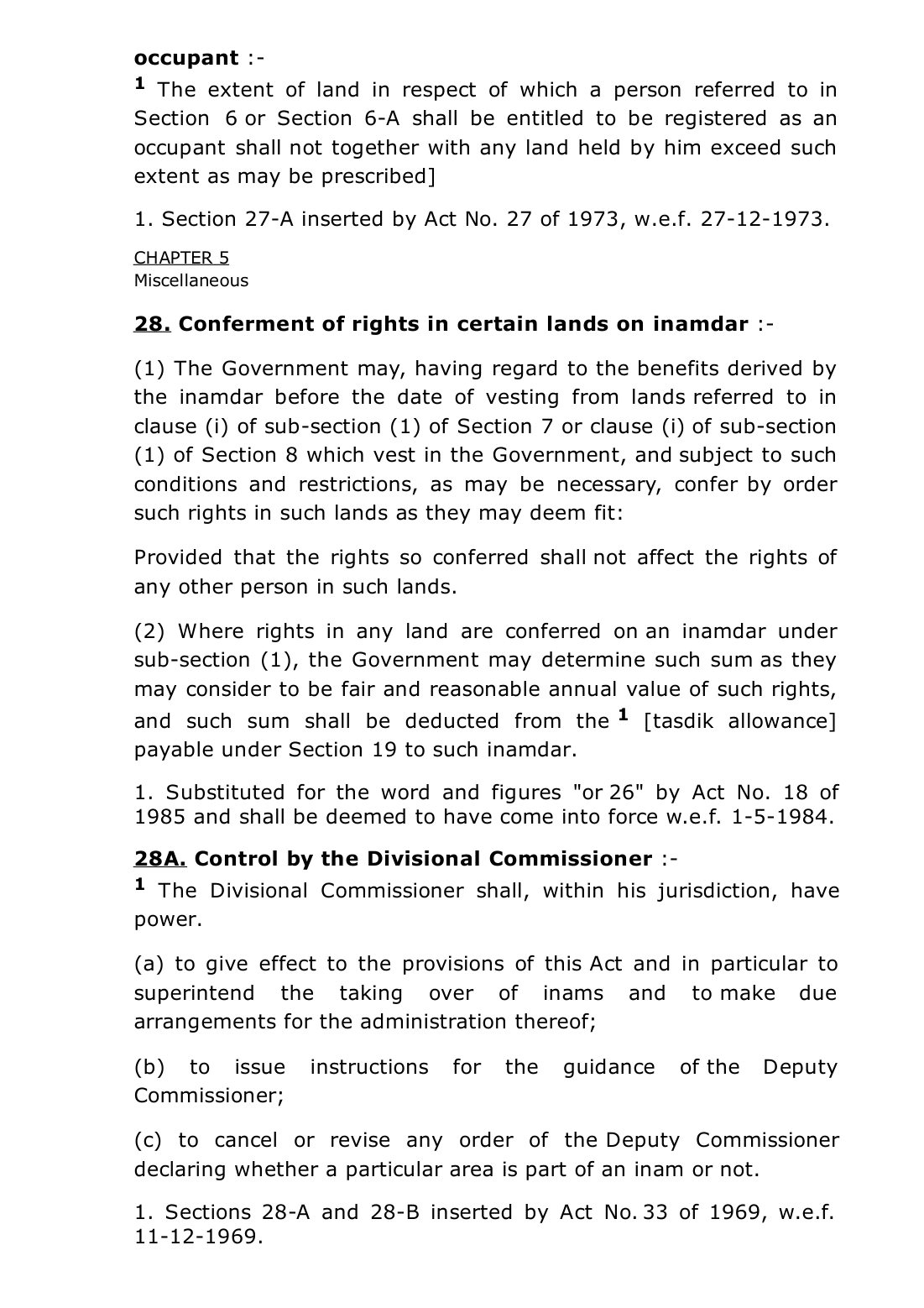
These twelve reproductions retain their original PDF page numbers. The selection is intentionally non-consecutive; omitted pages are not implied to be absent from the 24-page source. Select an image to open its full-size version.
Source description and editorial limitations
Document displayed: Mysore (Religious and Charitable) Inams Abolition Act, 1955, Act 18 of 1955, in a 24-page commercially reproduced, subsequently amended compilation bearing the name Sol Infotech Pvt. Ltd. / CourtKutchehry. It is not an original 1955 Gazette facsimile. Its text and annotations include amendments enacted decades after 1955, and some transcription/typographical irregularities. This page uses the compilation to illustrate the statutory framework, not to certify the wording in force on any particular historical date.
For precise legal interpretation, the original enactment, applicable amending Acts, official Gazette notifications and the version of the law operative at the relevant date should be consulted. This is a historical documentary presentation, not an adjudication of title or legal advice.